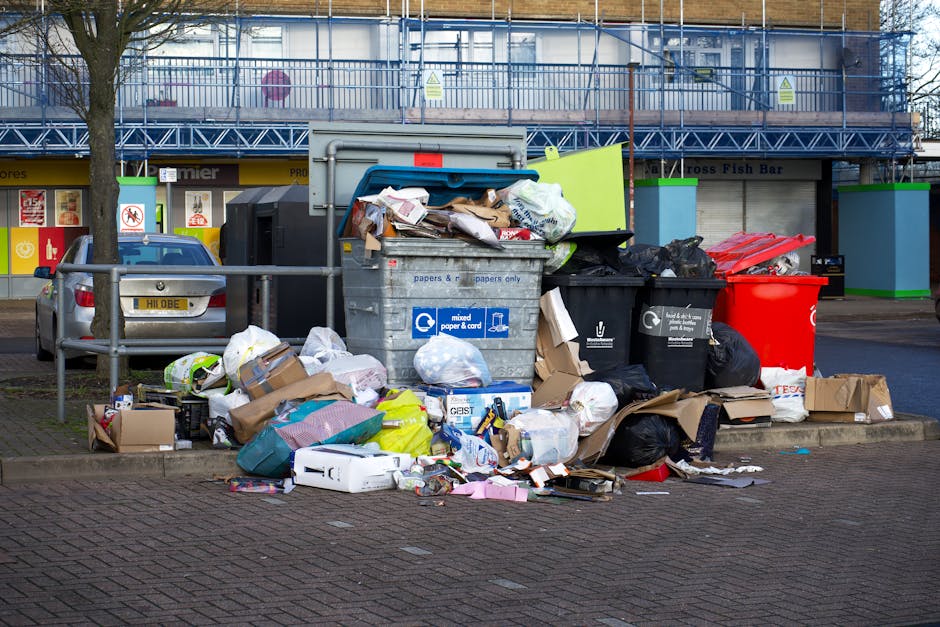
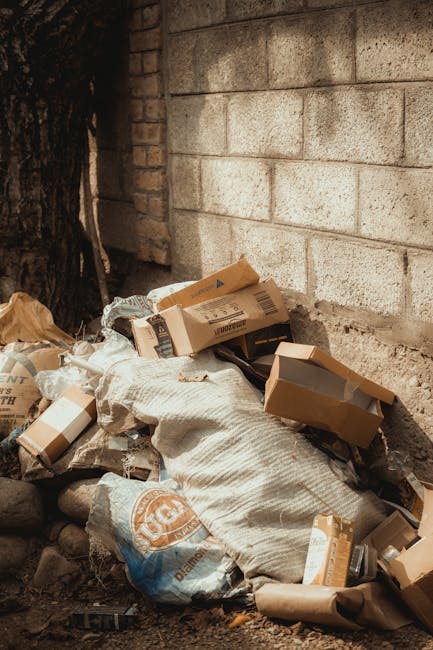
Powis Street Bulky Rubbish Removal in Woolwich SE18: A Practical Guide for Homes, Flats, Shops and Busy Streets
If you are dealing with old furniture, broken appliances, bagged junk, or a full room of awkward items, Powis Street bulky rubbish removal in Woolwich SE18 can feel like one more job you really did not want. Fair enough. Powis Street is busy, access can be tight, and bulky waste has a habit of becoming a bigger nuisance the longer it sits there.
This guide explains how bulky rubbish removal works, what to expect in a local Woolwich setting, and how to choose the right approach without wasting time or money. It is written for anyone managing a one-off clear-out, a flat turnover, a shop refresh, or a deeper home reset. Along the way, you will also find useful links to related services like general waste removal, furniture clearance, and online booking if you want a quicker next step.
Let's face it: bulky waste is never just "stuff." It blocks hallways, gathers dust, attracts complaints from neighbours, and can turn a simple tidy-up into a half-day project. The good news is that with the right plan, it becomes straightforward.
Expert summary: The best bulky rubbish removal jobs on Powis Street are the ones that are planned around access, item type, and timing. If you sort first, separate restricted items, and choose a service that understands local collection challenges, the rest tends to go smoothly.
Table of Contents
- Why Powis Street bulky rubbish removal in Woolwich SE18 Matters
- How Powis Street bulky rubbish removal in Woolwich SE18 Works
- Key Benefits and Practical Advantages
- Who This Is For and When It Makes Sense
- Step-by-Step Guidance
- Expert Tips for Better Results
- Common Mistakes to Avoid
- Tools, Resources and Recommendations
- Law, Compliance, Standards, or Best Practice
- Options, Methods, or Comparison Table
- Case Study or Real-World Example
- Practical Checklist
- Conclusion
- Frequently Asked Questions
Why Powis Street bulky rubbish removal in Woolwich SE18 Matters
Powis Street sits in a part of Woolwich where space, footfall, and timing matter. That changes the way bulky rubbish needs to be handled. A mattress left in a narrow corridor, a sofa dumped at the wrong time, or a stack of broken office chairs outside a unit can get in the way fast. And once it becomes visible, people notice.
Bulky rubbish is different from everyday bin waste because it is awkward to move, often too large for standard collections, and sometimes made up of mixed materials. A single pile can include wood, metal, textile, plastic, foam, and electrical parts. That mix affects how it should be sorted, lifted, loaded, and disposed of.
In a local area like SE18, good bulky rubbish removal is not only about "getting rid of things." It is about keeping entrances clear, avoiding trip hazards, protecting neighbours, and reducing the chance of items being left on the street for too long. If you have ever seen a doorway blocked by old furniture while people try to squeeze past with shopping bags and prams, you already know the problem. It is messy, and honestly a bit stressful.
There is also a sustainability angle. Reusable furniture, certain appliances, and metal items may be better handled through proper reuse or recycling routes than sent straight for disposal. That is why many people compare waste clearance with furniture-specific options such as furniture disposal or even a broader recycling-focused approach.
For households, businesses, landlords, and letting agents, the value is simple: less clutter, less hassle, and a quicker return to normal use. In a busy street, that counts for a lot.
How Powis Street bulky rubbish removal in Woolwich SE18 Works
Most bulky rubbish removal jobs follow the same broad pattern, although the details vary depending on the items and the property. The basic idea is simple: you identify what needs going, arrange a collection, and have the items removed safely and responsibly.
1. Identify the bulky items
Start by separating bulky waste from anything that should stay, be reused, donated, sold, or shredded. It sounds obvious, but people often skip this step and then regret it later. Old wardrobes, broken sofas, damaged shelving, worn mattresses, appliances, garage clutter, and office furniture are common examples.
2. Check access and loading conditions
Powis Street can present practical access issues, especially with tight stairwells, shared entrances, limited parking, or time-sensitive loading. A clear route from the item to the collection point saves a lot of effort. If there are lifts, narrow corners, or awkward thresholds, mention them early. It helps the collection crew plan properly.
3. Confirm what type of clearance you need
Not every job is the same. A single sofa is different from a full flat clearance, and a shop fit-out is different again. Related services such as flat clearance, house clearance, home clearance, and office clearance can be better suited when the bulky waste is part of a wider clear-out.
4. Arrange collection and disposal
Once the items are listed, the collection can be planned. Depending on the job, this may involve manual loading, separate handling for appliances, or extra care for heavier items. If there are mattresses or sofas, those can be handled through a more specific route such as mattress and sofa disposal.
5. Sort for recycling, reuse, or disposal
The cleaner the mix, the better the outcome. Items that can be separated by material are easier to manage. A responsible team should look at what can be reused, recycled, or treated as residual waste. That is especially useful for mixed bulky loads that include wood, fabric, and metal in one go.
6. Final sweep and sign-off
The job should end with the area checked properly. No screws left behind. No stray cushions. No half-moved shelf sitting in the corridor because it was "too awkward." A proper tidy finish matters more than people think.
Key Benefits and Practical Advantages
The biggest benefit is obvious: you get your space back. But there are several other advantages that are easy to miss when you are staring at an overflowing room and feeling slightly defeated.
- Faster clear spaces: A professional removal helps you clear rooms, hallways, and storage areas without dragging the process out for days.
- Less physical strain: Bulky lifting is hard on the back, shoulders, and knees. If an item needs two people and a bit of manoeuvring, it is safer to let trained handlers do it.
- Better access and safety: Removing clutter from walkways reduces trip risks and keeps entrances usable.
- Cleaner presentation: Useful for landlords, shops, offices, and anyone preparing for a handover, inspection, or sale.
- Responsible disposal: Proper handling helps separate reusable and recyclable materials from general waste.
- Less disruption: A planned collection is usually easier than multiple DIY trips to a tip, especially in London traffic.
There is a quiet advantage too: peace of mind. Once the bulky waste is gone, the place feels lighter. You notice the floor again. You can open a cupboard without shifting three things first. It sounds small, but it changes how a space feels.
For larger jobs, it may also be worth looking at related clearance routes such as garage clearance, loft clearance, or builders waste clearance if renovation debris is part of the load.
Who This Is For and When It Makes Sense
This kind of service is useful for more people than you might think. It is not just for major refurbishments or dramatic hoarding clear-ups. Sometimes it is the ordinary situations that create the most bulky waste.
- Homeowners replacing old furniture or clearing spare rooms.
- Tenants leaving a flat and needing to remove leftover items before check-out.
- Landlords and letting agents between occupancies.
- Shop owners refreshing displays, replacing shelving, or removing damaged stockroom items.
- Offices disposing of desks, chairs, filing cabinets, and old equipment.
- Tradespeople who need mixed waste cleared after smaller-scale works.
It makes sense when the waste is too large for normal household bins, when you do not want to spend the day loading a car, or when the property needs to be ready quickly. If the items are mostly furniture, it can be useful to compare with furniture clearance, because that may be a more precise fit.
One common scenario in Woolwich is a flat or maisonette where an old wardrobe has to come down awkward stairs. Another is a retail unit on Powis Street with broken display pieces and packaging left after a refit. Same principle, different mess.
Ask yourself: do you want to spend your Saturday wrestling a sofa down the stairs, or would you rather have the space cleared properly and move on with your life? Easy question, really.
Step-by-Step Guidance
If you want the smoothest possible collection, use a simple process. No need to overcomplicate it.
- Walk through the property. Make a quick list of all bulky items and note anything fragile, heavy, or awkward.
- Separate restricted items. Some waste types need special handling. Do not mix them in without checking first.
- Measure the difficult pieces. Width, height, stair turns, and lift size can all matter.
- Clear the access route. Move small objects, shoes, plant pots, or boxes out of the way.
- Group similar items together. Keep furniture with furniture, appliances with appliances, and loose waste in one zone if possible.
- Book the collection. Use a service that matches the scale of your job and can work around access constraints.
- Be present if possible. It avoids guesswork if the team needs to confirm what goes and what stays.
- Do a final check. Look behind doors, in corners, and under stairs. That one forgotten chair has a habit of hiding.
If you are dealing with rubbish as part of a broader clear-out, the wider home clearance or house clearance service may save time because it bundles multiple items into one visit.
Expert Tips for Better Results
After enough clearances, a few patterns become clear. The jobs that go smoothly usually have the same habits behind them.
Tip 1: Sort before collection day. Do not leave the hard decisions for the doorstep. Once the van arrives, you want clarity.
Tip 2: Keep hazards separate. If there are sharp edges, broken glass, leaking components, or unknown substances, flag them early. A slightly cautious approach is better than an avoidable problem.
Tip 3: Think vertically. Stacked items can look manageable until you realise the base item is the heaviest. Small planning detail, big difference.
Tip 4: Use the right service for the right waste. A mixed junk pile is not the same as an appliance-only load. For fridges and white goods, the dedicated fridge and appliance removal option is often more sensible.
Tip 5: Be honest about access. If there is no lift, a narrow staircase, or no nearby parking, say so. It is not a problem. It just helps the crew prepare.
Tip 6: Ask about recycling expectations. You do not need a lecture, just a clear idea of how the waste will be treated. Responsible operators should be able to explain their process in plain English.
And one small human tip: keep a tea or coffee to hand if you are managing a long clear-out. Sounds silly, but by mid-morning you will be glad of it.
Common Mistakes to Avoid
Most bulky waste issues come from rushing. The actual removal is often the easy part.
- Leaving it too late. A hallway full of old items only gets more annoying the longer it stays there.
- Mixing everything together. This can slow removal and make sorting harder.
- Forgetting access issues. Stair widths, parking, and loading points matter more than people expect.
- Assuming all items can go the same way. Appliances, upholstered furniture, and hazardous materials may need different handling.
- Not checking the full scope. A "single item" job often turns into five items once you look properly.
- Choosing the wrong service type. A focused clearance can be faster and cleaner than trying to force a general waste approach onto a specialist load.
There is also a practical mistake many people make: they clear the obvious items, then leave the awkward ones "for later." Later arrives, and the awkward ones are still there. Annoying, yes. Completely normal, also yes.
Tools, Resources and Recommendations
You do not need much to prepare properly, but a few simple tools help.
- Gloves: Useful when moving dusty or rough items.
- Measuring tape: Handy for stairwells, doors, lifts, and large furniture.
- Marker labels: Good for separating items to keep, donate, or remove.
- Trolley or sack truck: Useful in some settings, though not always suitable for stairs.
- Strong bags or boxes: Best for loose mixed waste and smaller bulky fragments.
For people comparing service options, these pages are worth a look: pricing and quotes, payment and security, and recycling and sustainability. They help set expectations before you book.
If the waste includes confidential paperwork, it may be better to separate it and use confidential shredding rather than putting it into a general load. That small decision can save a lot of unnecessary worry.
Law, Compliance, Standards, or Best Practice
Bulky rubbish removal in the UK should be handled carefully and responsibly. While this article is not legal advice, a few best-practice points are worth keeping in mind.
First, waste should be transferred to a suitable and legitimate disposal route. That means checking that the provider operates properly and handles materials responsibly. If you hand waste to someone who is not doing things correctly, the original holder can still end up with the headache. Nobody wants that.
Second, certain items need special care. Fridges, freezers, some electricals, and any waste with hazardous components should not be treated like ordinary rubbish. If in doubt, ask before collection and separate those items in advance. The dedicated hazardous waste disposal page is a useful reminder that not everything belongs in the same pile.
Third, basic safety matters. Lifting heavy furniture without preparation can cause injuries. Narrow staircases and communal entrances are especially tricky. A sensible operator should follow clear procedures, use appropriate equipment, and work with insurance and safety in mind. That is why pages such as health and safety policy and insurance and safety matter to careful readers.
Finally, privacy and trust are part of compliance too. If you are clearing an office, a flat with paperwork, or any space with personal items, it helps to know how data and leftovers are handled. Reading the company's policy pages is not glamorous, but it is smart.
Options, Methods, or Comparison Table
There are several ways to deal with bulky rubbish. The right one depends on time, access, item type, and how much effort you want to put in yourself.
| Method | Best for | Pros | Watch out for |
|---|---|---|---|
| Professional bulky rubbish removal | Single items, mixed loads, awkward access | Fast, convenient, less lifting, good for busy streets | Costs more than doing it yourself |
| DIY transport | Small loads, very short distances, simple items | Can be cheaper if you already have a suitable vehicle | Time, parking, lifting risk, multiple trips |
| Skip-style approach | Projects with ongoing waste generation | Useful for larger ongoing clearances | Space requirements and loading limits |
| Specialist item disposal | Appliances, sofas, mattresses, confidential materials | More suitable for specific waste types | Not ideal for mixed household junk |
If you are unsure whether your load is really "bulky rubbish" or more like a project skip load, it may help to compare with what can go in a skip. That page is useful for understanding what kind of waste suits which route.
Truth be told, many people in Powis Street and the wider Woolwich area choose a mixed strategy: remove the biggest awkward items professionally, then deal with lighter sorting themselves. That can be a very sensible middle ground.
Case Study or Real-World Example
Here is a realistic example from a typical local-style clearance, without any made-up drama. A small upstairs flat near Powis Street needs clearing after a tenant move-out. The main items are a wardrobe, a mattress, two chairs, a broken desk, and assorted bagged clutter from a cupboard that somehow became a home for everything nobody wanted to think about.
The key challenge is access. The staircase is narrow, the landing is tight, and the front entrance opens onto a fairly busy street. Rather than trying to move everything in one messy rush, the job is planned in stages. The mattress is removed first because it bends awkwardly. The wardrobe is broken down carefully. The smaller items are bagged and carried after the large pieces are out of the way.
The result is not just a clear flat. The hallway is usable again. The landlord can inspect the property without stepping around debris. The neighbours are not left staring at a pile outside the door. And the whole process feels much less stressful because it was handled in the right order.
That is the real lesson. Bulky rubbish removal is rarely about brute force. It is about sequence, access, and not making life harder than it needs to be.
Practical Checklist
Use this quick checklist before collection day.
- List every bulky item you want removed.
- Separate anything you want to keep, donate, or sell.
- Check whether any item needs specialist handling.
- Measure difficult furniture, stairwells, and doorways.
- Clear the access route from the item to the exit.
- Put loose waste into bags or boxes where possible.
- Make sure parking or loading access is understood.
- Keep an eye out for sharp, broken, or leaking items.
- Confirm whether the load includes appliances, sofas, or mattresses.
- Do one final sweep of cupboards, corners, and under stairs.
Quick takeaway: The smoother the access and the clearer the item list, the easier the removal. Most delays come from surprises, not from the waste itself.
If you are planning a broader property clear-out, it can also help to review about us for a feel of the company approach before you book. Small detail, but often reassuring.
Conclusion
Powis Street bulky rubbish removal in Woolwich SE18 is about more than simply taking away unwanted items. It is about doing it safely, neatly, and with as little disruption as possible. In a busy local setting, that means thinking about access, item type, timing, and whether a specialist clearance route makes more sense than a one-size-fits-all solution.
If you plan properly, separate the awkward items, and choose the right service for the job, the whole process becomes much easier. You get your space back. The property looks better. And the stressful part is over before it has a chance to drag on.
For many people, that moment when the last bulky item goes is a relief. Not dramatic, just quietly satisfying. The room looks bigger. The air feels lighter. And you can finally get on with whatever comes next.
Get a free quote today and see how much you can save.
Frequently Asked Questions
What counts as bulky rubbish on Powis Street?
Bulky rubbish usually means large items that are difficult to put in normal bins, such as sofas, wardrobes, mattresses, tables, chairs, appliances, and mixed household clutter.
Can I remove bulky waste myself?
Yes, if you have the right vehicle, enough help, and safe access. But on a busy street or with heavy items, many people prefer a professional collection because it saves time and lifting effort.
Do I need a full house clearance for one or two items?
Not always. A smaller bulky item collection or furniture-specific service may be enough. It depends on the amount and type of waste.
What if my items include a mattress or sofa?
Those items are often better handled as part of a specific disposal route, such as mattress and sofa removal, because they are awkward and not always suitable for general loads.
Are fridges and appliances treated differently?
Usually, yes. White goods and appliances can need separate handling, especially if they contain components that should not be mixed with ordinary rubbish.
How do I prepare a flat or shop on Powis Street for collection?
Clear access routes, separate the items you want removed, and note any stairs, lifts, parking limits, or tight corners. A little preparation saves a lot of back-and-forth.
What should I do with hazardous or questionable waste?
Keep it separate and ask about proper handling before collection. Do not blend it into a standard bulky load if you are unsure.
Is bulky rubbish removal suitable for landlords and letting agents?
Absolutely. It is often used between tenancies, before inspections, or after quick changeovers when a property needs to be cleared fast.
How can I tell if a quote is fair?
Look at what is included: item count, labour, access conditions, disposal route, and whether specialist items are part of the job. A clear quote is usually more useful than a vague cheap one.
What if I also need general waste cleared at the same time?
That is common. Many jobs mix bulky items with smaller rubbish, and a wider waste removal service can be the easiest way to handle both together.
Will the removal team carry items from upstairs?
Often yes, but the access details matter. Always mention stairs, lifts, narrow halls, and any difficult turns in advance so the team can plan safely.
Where can I learn more before booking?
You can review useful pages such as pricing and quotes, recycling and sustainability, and contact us if you want to ask about a specific collection.
Sometimes the best clear-out is the one that starts with a single decision and ends with a clean, quiet room. That is usually the goal, and a very good one too.